
Family Renewal Retreat
Restoring Safe, Healthy Parent–Child Relationships
When families face severe conflict, disrupted contact, or entrenched resistance, they need more than traditional therapy. The Family Renewal Program offers a structured, three‑phase, research‑informed, trauma‑aware pathway that helps children and parents reconnect safely, rebuild trust, and restore stability — even in the most complex situations.
Families often come to us feeling overwhelmed, discouraged, or unsure where to turn next. Our approach provides clarity, structure, and hope, guiding families step‑by‑step toward renewed connection and healthier patterns.
Independently validated in a 2025 study of 100 youth, with:
Over 90% reporting the program was helpful
High emotional safety scores
An average overall rating of 9.56/10
These findings reflect what families consistently tell us: they feel safe, supported, understood, and finally able to move forward.
What Is the Family Renewal Program?
A Structured, Supportive Pathway for Families Who Need More Than Traditional Therapy
Families reach out to us when something important has broken down, when a child is pulling away, a teen is shutting down or acting out, or when conflict, pressure, or prolonged absence has strained the parent–child relationship. Many parents tell us they have “tried everything” and still feel stuck, discouraged, or misunderstood.
The Family Renewal Program offers a structured, immersive, three‑phase relationship‑building process designed to help families move forward with clarity, safety, and support. Whether your family is facing severe resistance, loyalty conflicts, trauma, prolonged separation, or high‑conflict co‑parenting, our approach meets you where you are and helps you take the next steps toward stability and reconnection.
Our program is available through voluntary participation, mutual agreement, consent orders, or court‑ordered referral, and is tailored to the unique needs, strengths, and readiness of each famly.
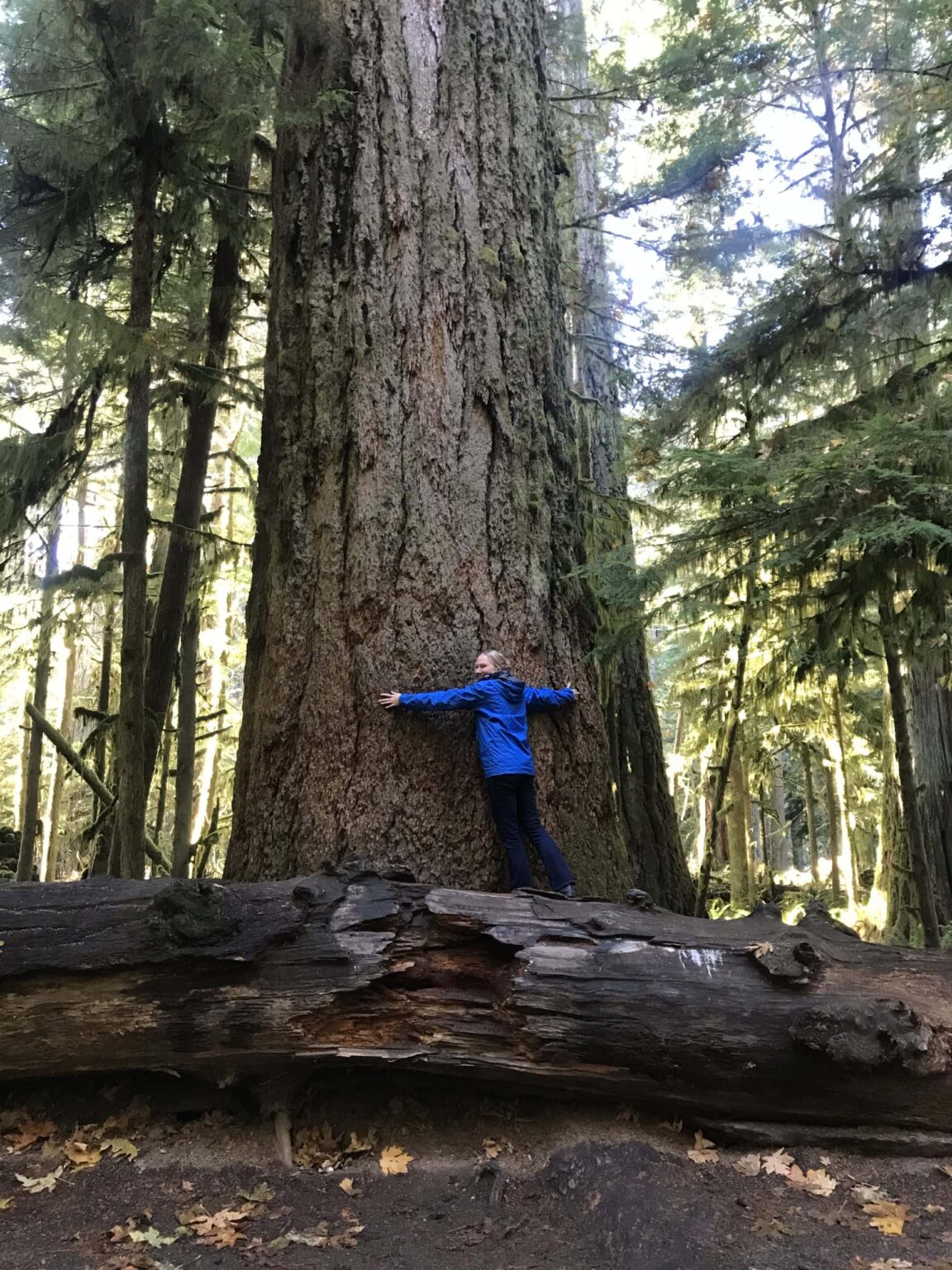
Our primary base is Vancouver Island, but the Family Renewal Program is fully mobile, adaptable, and customizable to meet each family’s needs, interests, and circumstances.
Canada: Vancouver Island • Vancouver • Vernon/Okanagan • Calgary • Yukon • NWT • Nunavut • Additional regions across Canada
United States: Available throughout the U.S.
Destination Retreats: Puerto Rico • Costa Rica • Hawaii • Alaska • Other international locations as appropriate
Proper Setting: We design each Family Renewal experience around the setting that best supports safety, comfort, and successful reconnection, whether close to home or in a restorative destination environment.
Local care: While the 4‑Day Family Renewal Retreat may take place at a destination location, all Before‑Care and After‑Care services are provided locally through our team‑based model.
Consistancy: Families work with FRP‑qualified counselors in their own region, with support available in‑person or virtually, ensuring continuity, cultural fit, and ongoing guidance. All services operate under the direction of our highly qualified FRP leadership team and professionals, providing consistency and quality throughout the entire Family Renewal process.
PHONE: 604-901-5119
Our Philosophy
Family Renewal, Not Blame
We use a non‑adversarial, trauma‑informed, systems‑based approach. When speaking to family members, we do not use clinical labels such as “alienated child,” “alienating parent,” “high‑conflict parent,” or other terms that can feel blaming, stigmatizing, or discouraging. Families come to us with many different challenges, including teens who are struggling, children whose behavior feels out of control, or parents who have been unfairly labeled by others. We value each person for who they are, not the labels placed on them.
When working directly with families, we prefer to refer to parents, children, and teens by their first names, and we describe what we see in terms of experiences and behaviors, not diagnoses or categories.
For example, instead of using labels, we may describe:
a child who is feeling caught between parents,
a teen who is showing protective, defensive, or overwhelmed coping,
a child who is acting out because they feel unsafe, confused, or pressured,
a parent who is doing their best but feeling shut out, discouraged, or unsure how to reconnect,
- a parent who currently has the child and is feeling afraid of losing their role, worried about being judged, or unsure how to support the renewal process without making things worse
or a family system experiencing stress, loyalty conflicts, or disrupted communication.
We focus on strengths, resilience, and potential, helping each family member build on what they do well while developing healthier patterns, clearer roles, and more supportive relationships. Our goal is to create a space where every parent and child feels respected, understood, and safe — the foundation for meaningful renewal, a better family dynamic, and lasting change.
Who the Program Serves

The Family Renewal Program supports children, teens, and parents who are facing relational strain, disrupted connection, or patterns that feel “stuck” or overwhelming. Families come to us with many different experiences — some rooted in conflict, some in circumstance, and some in developmental or emotional challenges. Our role is to meet each family where they are and help them move toward safety, stability, and renewed connection.
We work with families experiencing:
High‑conflict separation or divorce
Loyalty conflicts or coercive influence
Parent–child resistance, withdrawal, or refusal
Prolonged absence or disrupted contact (relocation, distance, blocked access, or life events)
Trauma, anxiety, or fear‑based avoidance
Foster or kinship transitions
Relocation, incarceration, abduction, or military‑related absence
Sibling alignment, rivalry, or intense sibling conflict
Estrangement unrelated to divorce or custody issues
Cultural, generational, or values‑based conflict
Substance‑use‑related strain or disconnection
Child‑welfare involvement or mandated services
We also support families where a child or teen is struggling emotionally or behaviorally — including overwhelm, shutdown, acting‑out behaviors, or difficulty managing transitions — and parents who feel judged, misunderstood, or unsure how to move forward.
Our approach is strength‑based, dignity‑preserving, and non‑adversarial, helping each family member build on what they do well while developing healthier patterns, clearer roles, and more supportive relationships.
The Three-Phase Family Renewal Retreat
A Clear, Supportive Pathway for Families
Families often ask how the Family Renewal Program works and what to expect at each step. Our Three‑Phase Model provides a clear, structured pathway that helps parents and children feel prepared, supported, and safe from the very beginning. Each phase builds on the last, ensuring that progress made during the retreat translates into real‑world stability and renewed connection. The FRP Program develops an individualized Family Renewal Treatment Plan that covers all three phases and updated as necessary to ensure success and effectiveness that is provided to the parents for input and awareness.
Phase 1 — Preparation (Before‑Care)
Setting the foundation for safety, readiness, and success.
Many parents and children want to understand what the program involves before they begin. We ensure that every family member receives explanations, guidance, and preparation that match their age, developmental stage, and interests. This reduces anxiety, builds trust, and creates a sense of safety and predictability from the very beginning.
Before‑Care ensures every family enters the retreat with clarity, structure, and emotional readiness. This phase reduces uncertainty, aligns expectations, and prepares each parent and child for a successful renewal experience.
Includes: • Parent consultations and guidance • Review of assessments, reports, and court instructions • Safety planning and conduct expectations • Developing relational interest-focused exercises, activities, and outings • Engagement, messaging, and rapport building for parents, children, and teens • Readiness work to support emotional and logistical preparation • Coordination with attorneys and existing professionals
This phase is offered locally, through FRP‑qualified counselors, in‑person or virtually, under the direction of our FRP leadership team.
Phase 2 — The 4‑Day Family Renewal Retreat
A structured, immersive, relationship‑building experience.
The retreat provides a focused, supportive environment where children and parents can reconnect through guided activities, real‑world experiences, and trauma‑aware relational work. Each step is paced according to the child’s comfort and readiness.
Includes: • Parent–child workshops • Trauma‑informed experiential activities • Guided communication practice • Real‑world relational skill building • Repair‑focused conversations • Age‑appropriate, interest‑based activities
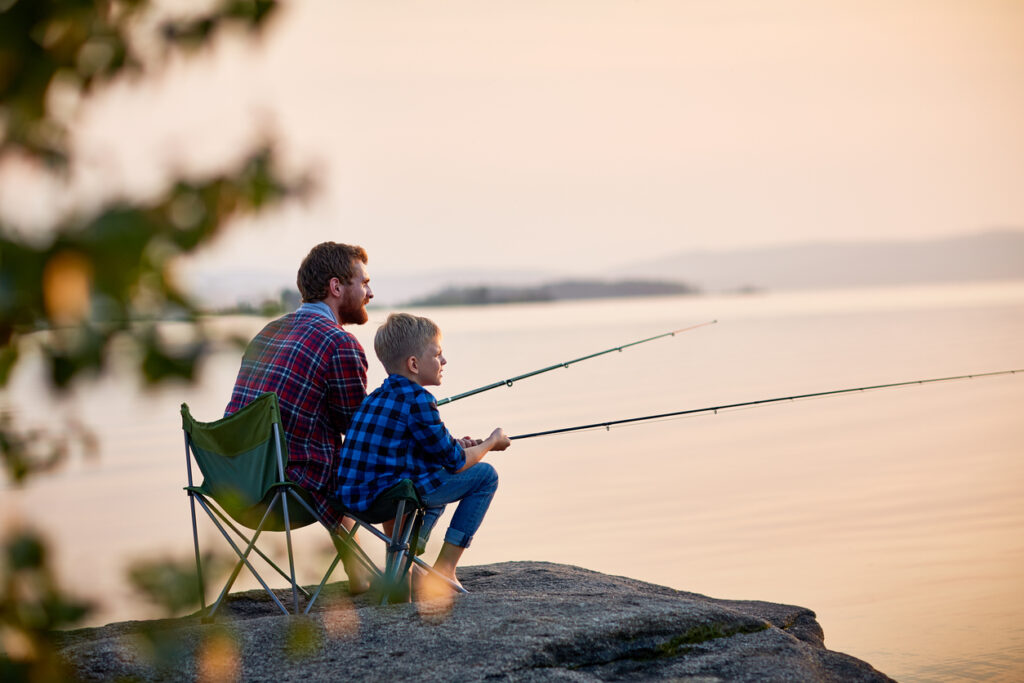
Guided Family‑Interest Outings: • Land adventures (hiking, biking, nature walks) • Art, culture & cuisine experiences • Equestrian & wildlife adventures • Water adventures (boating, fishing, sailing, kayaking) • Destination experiences (Puerto Rico, Costa Rica, Hawaii, Alaska)
Retreats may occur locally or at a destination, depending on what best supports the family’s needs.
Phase 3 — After‑Care
Translating progress into stable, real‑world functioning.
After‑Care helps families maintain the gains made during the retreat and supports them as they adjust to new patterns, navigate challenges, and strengthen healthier relationships.
Includes: • Ongoing counseling or coaching • Structured check‑ins • Reintegration support across homes • Co‑parenting alignment and communication support • Monitoring for regression or safety concerns • Extended‑family support when appropriate
After‑Care is provided locally, through FRP‑qualified counselors, with both in‑person and virtual options, all under the direction of our FRP leadership team.
PHONE: 604-901-5119
Enhanced Support for Adolescents

Adolescent Engagement: Evidence‑Informed Approach
Traditional talk therapy often fails with teens , especially those experiencing loyalty conflicts, anxiety, shutdown, or entrenched resistance. Research led by University of Calgary–affiliated scholars shows that adolescents engage most effectively when interventions are experiential, low‑demand, structured, and interest‑based, rather than relying on verbal processing alone.
Our approach integrates these evidence‑informed adolescent engagement methods, including findings from the Calgary‑affiliated systematic review, which demonstrates that teens respond best to:
• Experiential, activity‑based engagement • Low‑demand or indirect communication • Structured, predictable interactions • Interest‑based activities • Gradual relational exposure
These methods reduce pressure, increase emotional safety, and create natural opportunities for connection — especially for teens who are anxious, avoidant, or resistant to traditional therapy.
Teen‑Specific Elements of the Family Renewal Program
Our program includes specialized components designed specifically for adolescents, ensuring that engagement is developmentally appropriate, emotionally safe, and aligned with their interests:
• Co‑created activity selection (teens help choose what we do) • Outdoor and adventure‑based engagement • Creative, cultural, and hands‑on experiences • Coached communication in real time • Shared mastery and accomplishment through meaningful tasks and challenges
These elements help teens feel respected, understood, and in control of their own pace — which is essential for reducing resistance and building genuine relational momentum.
FRP Independently Validated (2025)
Independent University‑Affiliated Evaluation (Marsden & Varavei, 2025)
In 2025, an independent research team led by Marsden & Varavei conducted a formal evaluation of the Family Reflections Program, surveying 100 children and adolescents who completed the program. The study was carried out by university‑affiliated researchers and published in the peer‑reviewed American Journal of Family Therapy, adding significant academic and professional credibility.
Key Findings: • Over 90% of youth reported that the program helped them • High emotional safety (M = 4.76/5) • High satisfaction with staff and environment (M = 4.84–4.87/5) • Significant improvement in the parent–child relationship (p < .001) • Overall program rating: 9.56/10
“Participants overwhelmingly endorsed feeling emotionally safe within the program environment.” — Marsden & Varavei, American Journal of Family Therapy (2025)
This evaluation was conducted by researchers with no affiliation to the program, ensuring objectivity. The findings align with what families consistently report: children and teens feel safe, supported, and understood, and parents see meaningful, measurable improvements in their relationship with their child.
Safety & Program Guardrails
Safety & Program Guardrails
Safety is the foundation of every Family Renewal service. Our team follows a trauma‑aware, dignity‑preserving framework designed to protect children, support parents, and ensure that all interactions occur within clear, predictable boundaries. We actively create conditions where children and parents are:
• Physically safeguarded through structured environments, vetted locations, and trained professionals
• Psychologically respected with age‑appropriate communication, emotional pacing, and consent‑based engagement
• Relationally supported through guided interactions that reduce pressure and promote genuine connection
• Free from coercion, intimidation, surveillance, or manipulation — whether overt or subtle
Our guardrails are designed to protect the child’s emotional safety above all else. Safety always takes precedence over progression, and our team will slow down, pause, or adjust the process whenever needed to ensure a secure, respectful, and supportive environment for every family member.
Ready to Learn More?
We serve one family at a time, ensuring privacy, focus, and individualized attention. If you’re exploring whether the Family Renewal Program is the right fit, we’re here to answer questions, provide clarity, and help you understand what the process would look like for your unique situation.
PHONE: 604-901-5119






Eight Primary Goals of the Program - Dr. Kathleen Reay, Founder
1. Promote healthy child adjustment by supporting the child’s emotional, psychological, and relational well-being throughout the process.
2. Enhance the child’s critical thinking skills, including their ability to reflect, consider multiple perspectives, and make developmentally appropriate decisions.
3. Collaborate with the child and the parent they have been less connected with to establish clear, healthy roles, responsibilities, and boundaries within their relationship. This work recognizes that children in high-conflict family situations may experience pressures, confusion, or loyalty conflicts that can affect their decision-making.
4. Strengthen communication and conflict-resolution skills between the child and the parent they have been more distant from. When appropriate, the child and parent may explore family memories or meaningful experiences to support reconnection, foster emotional safety, and promote authentic positive feelings.
5. Support the parent in responding to misunderstandings or inaccurate beliefs the child may hold about them or past family events. This is done in a balanced, non-pathologizing manner that avoids assigning blame to any parent or caregiver.
6. Address any valid concerns the child may have about the parent they have been less connected with. This occurs with sensitivity to the child’s developmental stage and acknowledging that extended periods of relational disruption may have shaped the child’s needs, identity, and expectations.
7. Help the child work through feelings of guilt, shame, or confusion that may arise from past behaviors, strained interactions, or the process of re-engaging in the relationship.
8. Support ongoing stability in the therapeutic process, encouraging steady progress, consistent boundaries, and continued focus on the child’s long-term well-being.
Dr. Kathleen Reay, FRP Founder